

Latest News
Jan./Feb. response: A Living Faith in a Changing World
National Mission Institutions Continue Organization’s Legacy
by CATEY MILLER
From the prophets to the early church, Scripture is filled with calls to act justly, love mercy, and walk humbly with God (Micah 6:8, NIV). These things that God requires of God’s people are action items. A life of deep faith is not marked solely by belief but by a willingness to notice the needs around us and respond with courage, compassion, and care. In every generation, this call remains the same, even as the world in which we live changes.
Staying faithful means staying attentive—to the Spirit’s movement, to the cries of the vulnerable, and to new opportunities to act justly and love mercy in the places God walks with us.
This need for God-led change is something United Women in Faith knows well. In 2022, to include and honor the efforts of faith-driven women doing useful work across denominations, the organization changed its name from United Methodist Women. It was a meaningful shift—one of many in the long history of women of faith adapting their vision and work to stay rooted in purpose, even as the world around them changes.
National Mission Institutions are a living part of that legacy. These community-based ministries have offered education, housing, health care, and other essential services for well over a century. While their names, models, and leadership structures have evolved, their mission has remained steady: to be a faithful, responsive presence in the lives of those they serve.
How NMIs Began
NMIs have long been at the heart of United Women in Faith’s commitment to serve women, children, and youth—especially those most often overlooked. Their roots trace back to the determined efforts of 19th-century Methodist and Evangelical United Brethren women who saw urgent needs both abroad and at home and stepped in to meet those needs.
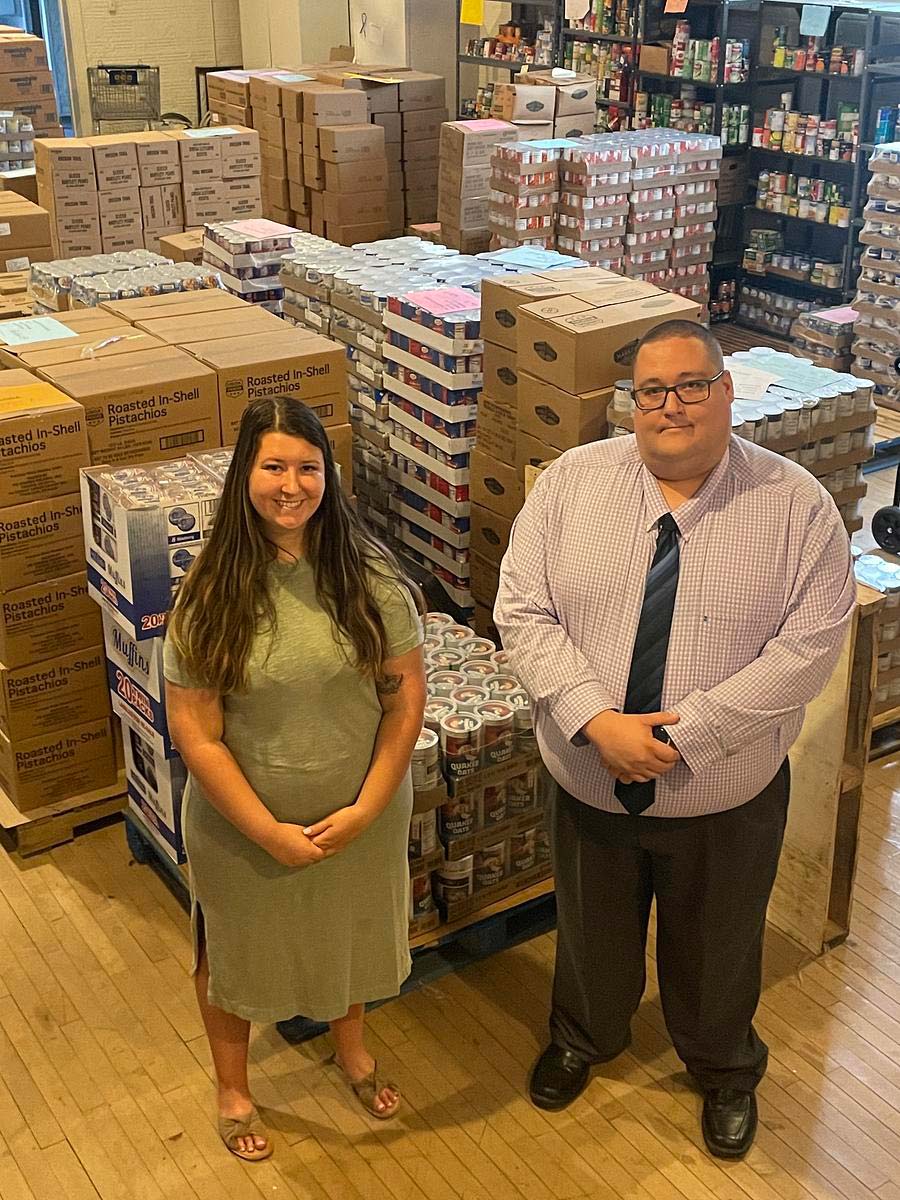
Photo: Audrey Stanton-Smith
Early on, these women operated largely within men’s mission societies or were subject to male-led boards, and they often struggled to justify their work to church fathers and sustain church support for their work.
In 1869, the first autonomous women’s mission organizations began with the Woman’s Foreign Missionary Society of the Methodist Episcopal Church. Founded after women heard firsthand from missionaries about the dire conditions faced by women overseas, they decided it was time to take control of their own fundraising and make their own decisions about the direction of their missions.
Soon, similar calls for justice and compassion rang out closer to home—particularly in the post-Civil War South—where freed women and children needed support. Women organized “home missions” to respond.
By the early 20th century, these efforts had grown into organized deaconess programs and training schools, laying the foundation for what would eventually become NMIs: schools, community centers, women’s residences, and child-care homes designed to meet community needs with faith-driven compassion.
In 1939, six distinct women’s mission organizations came together to form the Woman’s Division of Christian Service. Women led everything from fundraising and mission education to property management and staff assignments, and NMIs enjoyed direct, stable support and oversight from these women-led divisions.
In the decades that followed, changes in church structure and society shifted the administration of NMIs. Key policies such as incorporation, the creation of local boards, and covenant agreements gave institutions more autonomy while affirming their identity as centers of Christian mission rooted in United Methodist values. Though the structures evolved, the core mission held steady: to serve with and alongside those in need.
Today, the national office of United Women in Faith is connected with nearly 90 NMIs across the United States, including Puerto Rico. These institutions serve diverse communities with programs that adapt to local needs. Through faithful giving and active engagement, United Women in Faith members continue to ensure that the legacy of women-led mission work thrives well into the future.
Then and Now: Faithfully Adapting to Serve Women and Families
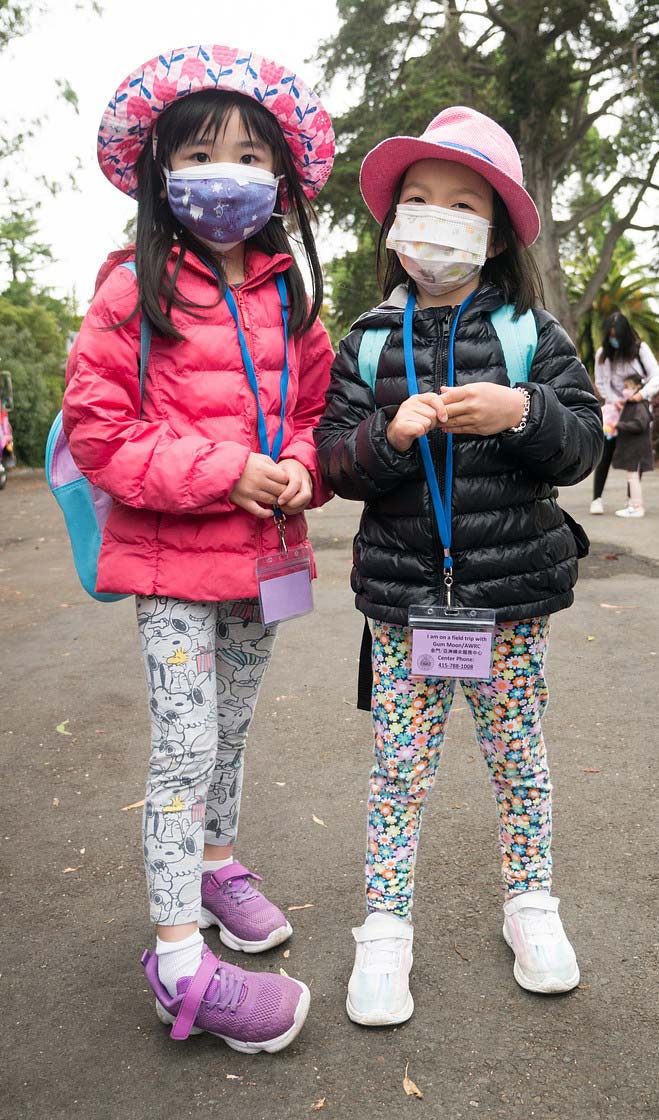
One of the earliest and most enduring NMIs is Gum Moon Residence Hall, a San Francisco-based ministry that has served women and children for more than 150 years.
Founded in 1870 as the Chinese Mission Home, its purpose was to confront a crisis of human trafficking in the city’s Chinatown. At the time, many Chinese girls and women were sold into slavery and forced prostitution. Mission workers navigated courts, filed writs of habeas corpus, and fought for custody. But their work didn’t stop there; these women also entered brothels and dens of exploitation to find and rescue those trapped inside. They literally faced down systems that allowed young girls to be treated as property, putting their faith into action in courageous ways few of us today may be able to imagine.
As the surrounding community and social conditions changed, so did the ministry. Over time, the work shifted from emergency rescue to providing long-term care for children from broken homes, and eventually to supporting young women through transitional housing, education, and empowerment programs. Now known as Gum Moon, the institution remains deeply rooted in its founding purpose: to offer safety, dignity, and opportunity to those who have been marginalized.
Gloria Tan, executive director of Gum Moon, says affordable housing is one thing that’s been central to the mission from the beginning. In the 1800s, not being able to afford a place to live was a major barrier to freedom for victims of trafficking; today, Gum Moon is able to house up to 30 women who have left domestic violence situations.
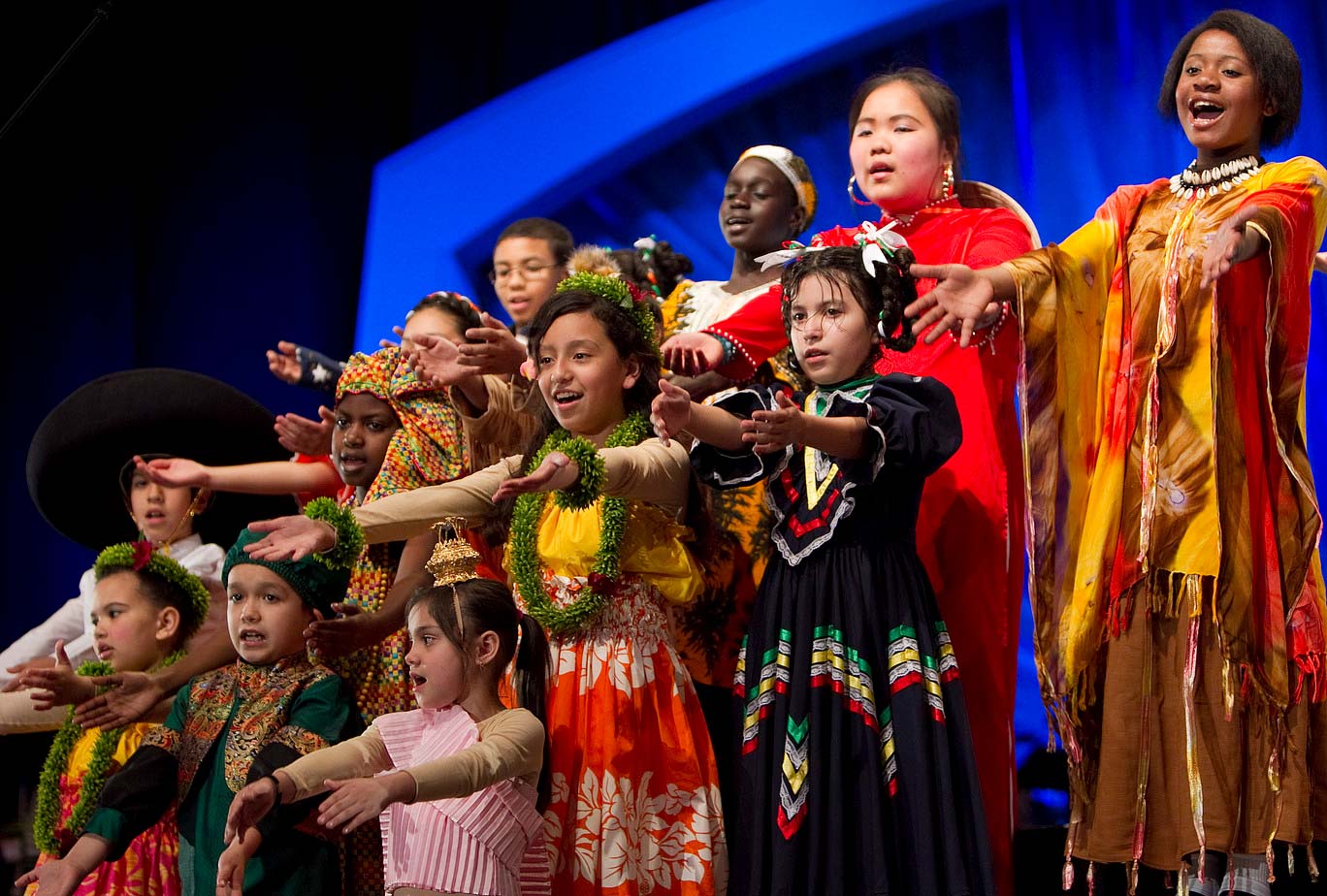
More recently, Gum Moon’s services have evolved and expanded to include family support services.
Tan said, “A family should not be under pressure, in a situation where they feel like they don’t have enough money to give their children healthy food.”
Even in lean financial times like the present, Gum Moon is committed to addressing food insecurity in its community, including by providing gift cards to places like Target and Safeway and hosting an annual Thanksgiving food drive to make sure families have the “capacity to put healthy food on the table for themselves and for their young children” during the holiday.
In addition to physical needs, Gum Moon also works to meet marginalized families’ social and educational needs. Thanks in part to a 1990 seed grant from this organization, then known as United Methodist Women, Gum Moon today offers a wide variety of family support programming, from creative preschool art classes to parent-child interactive groups. For many immigrant families, Gloria says, this kind of programming helps them “bring up young children well in this new country.”
Today’s work may not involve physically rescuing women from brothels, but it still demands courage, clarity, and deep compassion.
“God is always watching over us,” Tan said. “Somehow, we are able to change and manage through the times.”
Carrying Forward a Legacy of Compassion
Across the country, NMIs are living out the gospel in ways that are bold and responsive to the needs of their communities.
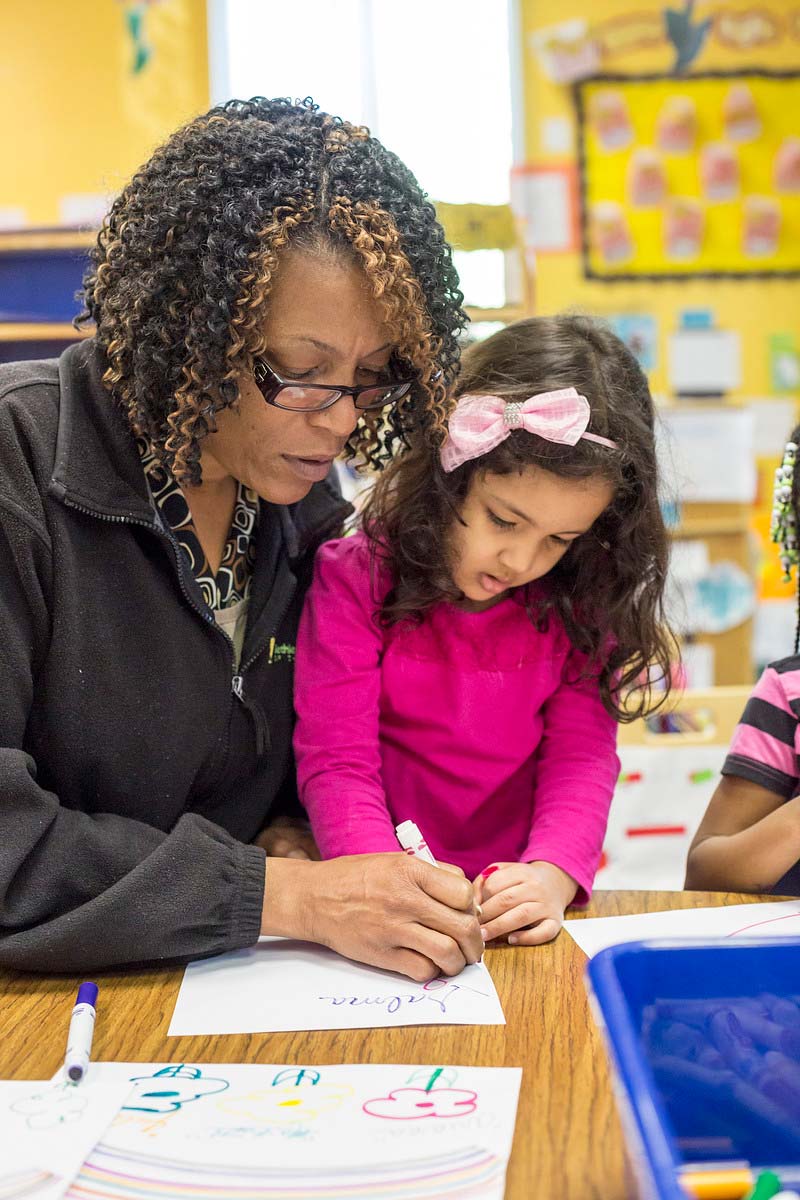
Jennings Center, a partner of the Bethlehem Center NMI in Charlotte, North Carolina, in 2016. Photo: Jim West
In Kansas City, Missouri, Della Lamb Community Services has been walking alongside low-income and refugee families for over a century. What began in 1897 as child care for Italian immigrant families has grown into a robust center for refugee resettlement, youth services, and emergency aid. Amid ever-shifting immigration policies, Executive Director Ryan Hudnall sees this work not just as service but as a calling. When a recent government “stop work” order threatened their efforts, Hudnall and his team didn’t waver; instead, they met the challenge with courage, doubling down on their mission and urging others to join them. “Whether you donate, volunteer, advocate, or rally your network to help,” the organization says on its website, “every effort makes a tangible impact.”
In Chattanooga, the Bethlehem Center traces its roots back to two Methodist women, Miriam Brock and the Rev. Sallie Crenshaw, who launched ministries of care, teaching, and community-building in the 1920s and 1930s. Today, the Bethlehem Center continues its legacy by offering youth development, family services, and leadership programs rooted in spiritual growth. The Bethlehem Center’s mission is to address “the needs of those with barriers to self-sufficiency” and to “proactively address the vicious cycles of poverty” in a neighborhood where systemic poverty still creates barriers on the path to abundant life.
And in Portsmouth, Virginia, the Wesley Community Service Center is leaning into a new chapter with bold faith. After a difficult year, board President Julie Kissell says the Center is still answering God’s call.
Kissell wrote, “Each of our board members is passionate about the people in the area we serve. Our calling is to provide programs as well as space for other organizations to operate.”
From urban agriculture training for teens to weekly food and clothing distribution, the Center’s future is being built one prayer, one volunteer hour, and one small act of generosity at a time.
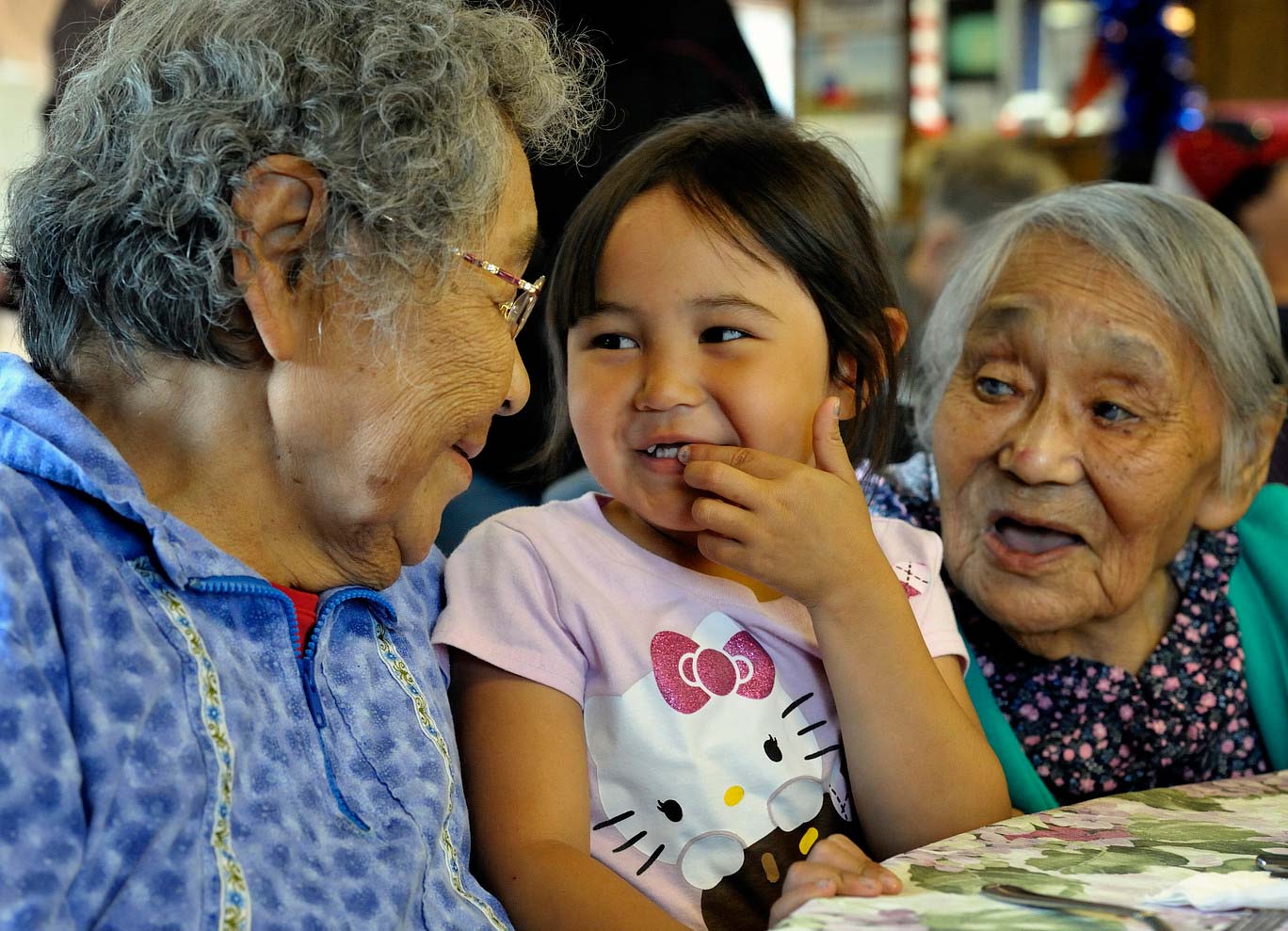
A young girl shows older family members her loose teeth during lunch for senior citizens at the XYZ Center, part of the Nome Community Center, an NMI in Nome, Alaska, in 2012. Photo: Paul Jeffrey
These are just a few examples of the unique, vital work in which NMIs are engaged in their communities to respond to God’s call to faithful action in a particular place and time. Whether your heart is for education, domestic violence prevention, youth leadership, or refugee support, there’s a place to connect your gifts with God’s work in the world. Many of these organizations welcome in-person volunteers or post lists of specific needed items, and all of them can always benefit from financial support. You can learn more and find an NMI near you or aligned with your passions at https://uwfaith.org/what-we-do/what-we-fund/national-ministries/. You’ll also find a complete list and NMI map coming soon in the March-April 2026 issue of response.
Catey Miller is a freelance writer.
