
Latest News
May/June response: United Methodists Celebrate 70 Years of Full Clergy Rights for Women
GCSRW Offers Downloadable Worship Resources to Mark Milestone
Compiled by response from resources from the General Commission on the Status and Role of Women and the General Commission on Archives and History
Seventy years ago this May 4, the General Conference of the Methodist Church granted full clergy rights to women when it met in Minneapolis, Minnesota. But even before that historic date, women had been shaping the life of Methodism with courage, devotion, and prophetic voice.
“From the earliest days of the movement, women like Sarah Crosby and Mary Bosanquet Fletcher had the courage to preach the Gospel to crowds,” writes Ashley Boggan, general secretary of the General Commission on Archives and History, in a forward included with a new downloadable worship resource celebrating the impact and faithful leadership of clergywomen across the connection.
“Women have always played a vital role in proclaiming the gospel and pursuing justice within the Wesleyan tradition,” said the Rev. Kelli Hitchman-Craig, director of Leadership Development and Community Engagement for the General Commission on the Status and Role of Women.
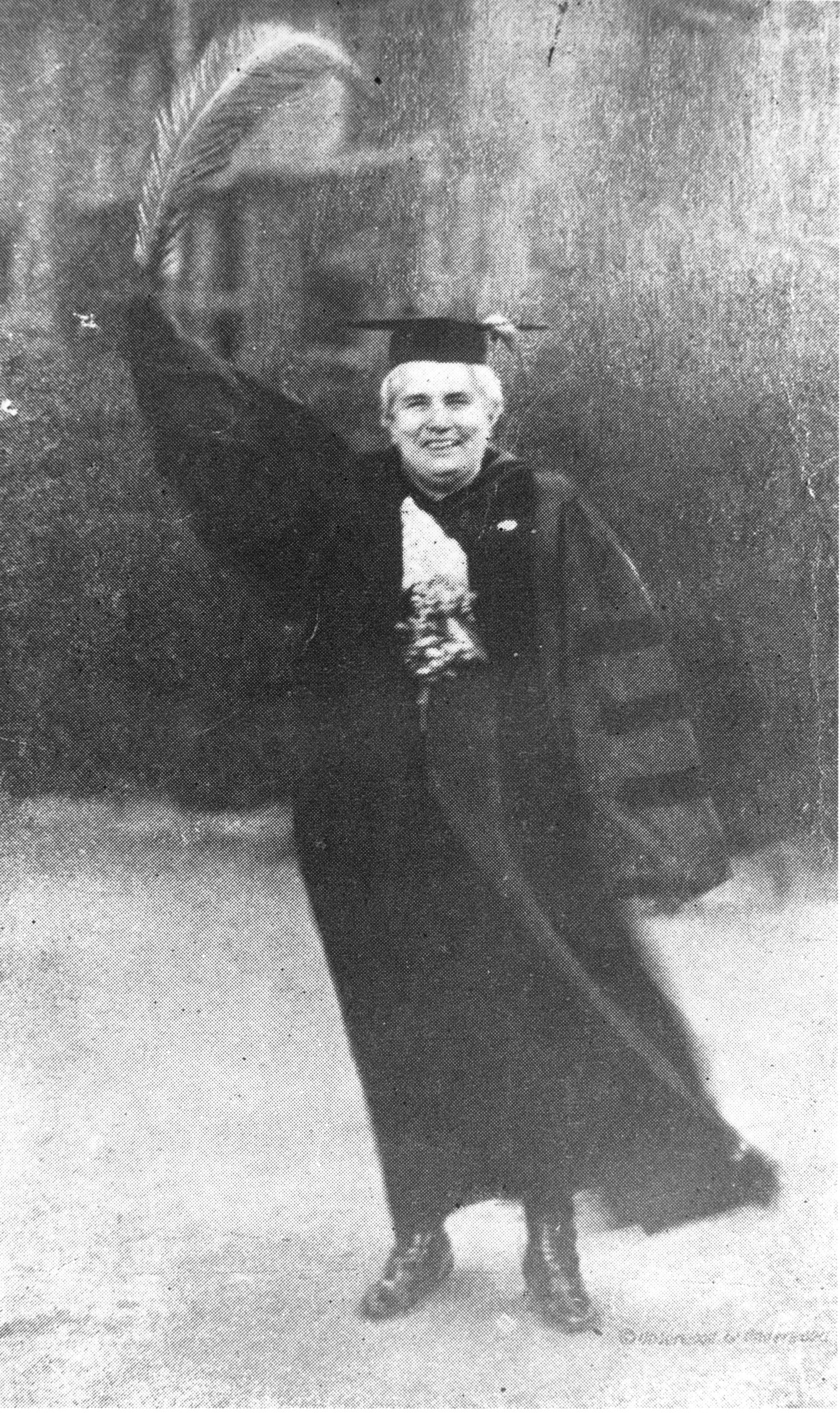
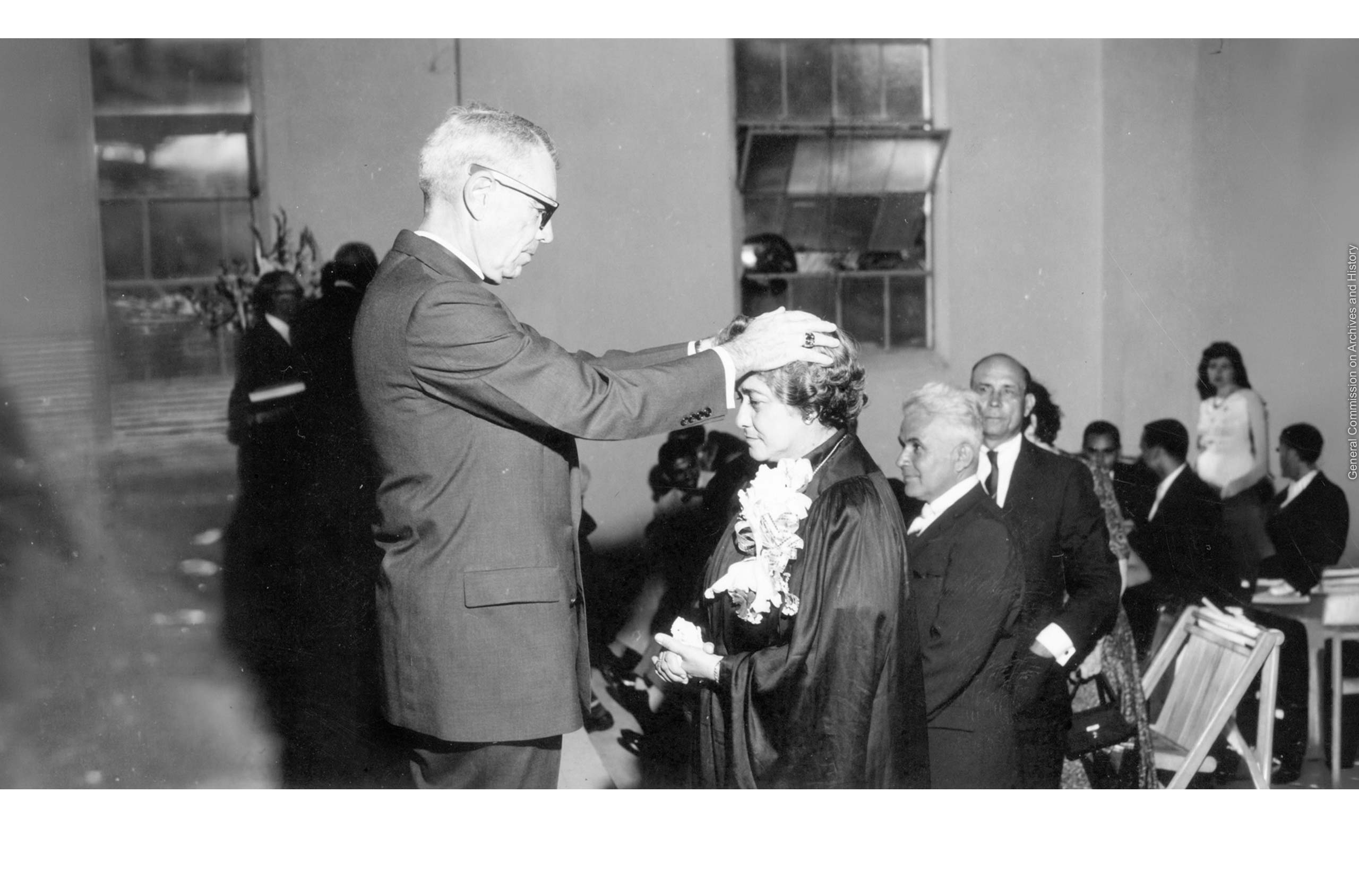
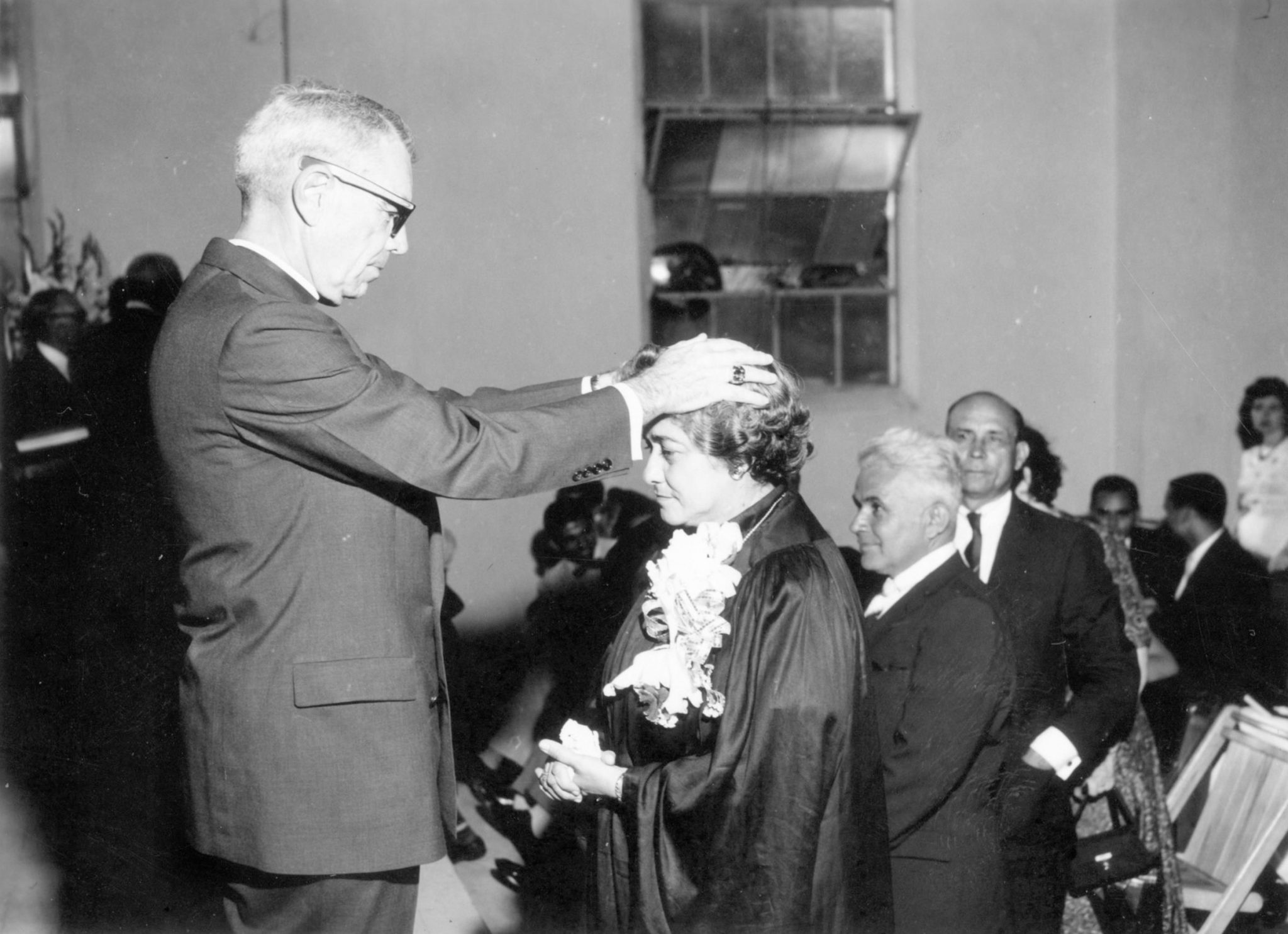
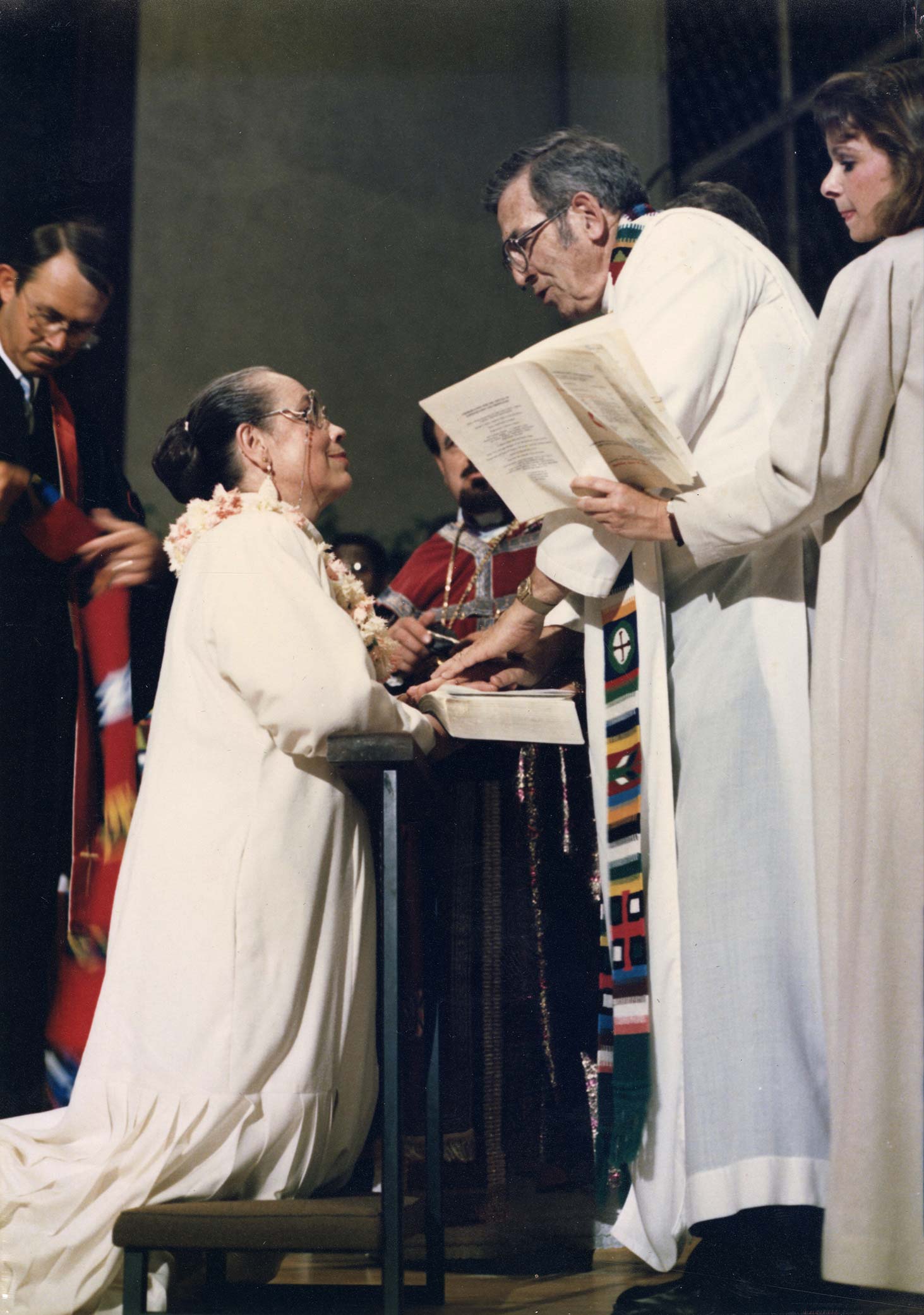
Photo: General Commission on Archives and History.
“Long before ordination was formally granted, women preached, served as class leaders, missionaries, and carried the work of ministry in their communities,” Hitchman-Craig continued. “This anniversary honors both the past 70 years of ordained ministry and the women who paved the way, including early leaders such as Sarah Mallett, Sojourner Truth, Helenor Davisson, Anna Howard Shaw, Grace Bragg, and many others whose courage shaped the church we know today.”
The free resource, made possible through GCSRW in collaboration with United Methodist general agency partners and ministry leaders worldwide, including United Women in Faith, includes historical reflection, liturgical materials, and interpretive narratives that honor the long arc of women’s ministry in Methodism and lift up the ongoing work of the Holy Spirit among us.
United Methodists are encouraged to use the resource, featuring voices of women from around the world, in Annual Conference sessions and gatherings, clergy sessions, laity events, leadership trainings, local church worship services, study groups, and special celebrations. The resource is available at gcsrw.org/downloadable-resources.org.
“Whether through a dedicated service of worship, a teaching series, or a moment of recognition within your regular gatherings, we hope you will join in celebrating the faithful witness of women who have shaped—and continue to shape—the life of the Church,” writes Bishop Delores J. Williamston, GCSRW board president.
“This anniversary is more than a commemoration of the past. It is a proclamation of hope for the future,” Williamston said. “As The United Methodist Church continues to live into God’s call for justice, inclusion, and beloved community, may we boldly affirm that God still calls, still equips, and still sends women into every place of ministry.”
In her forward, Boggan explains the journey of women in Methodist traditions leading up to the hard-won pivotal moment in 1956.
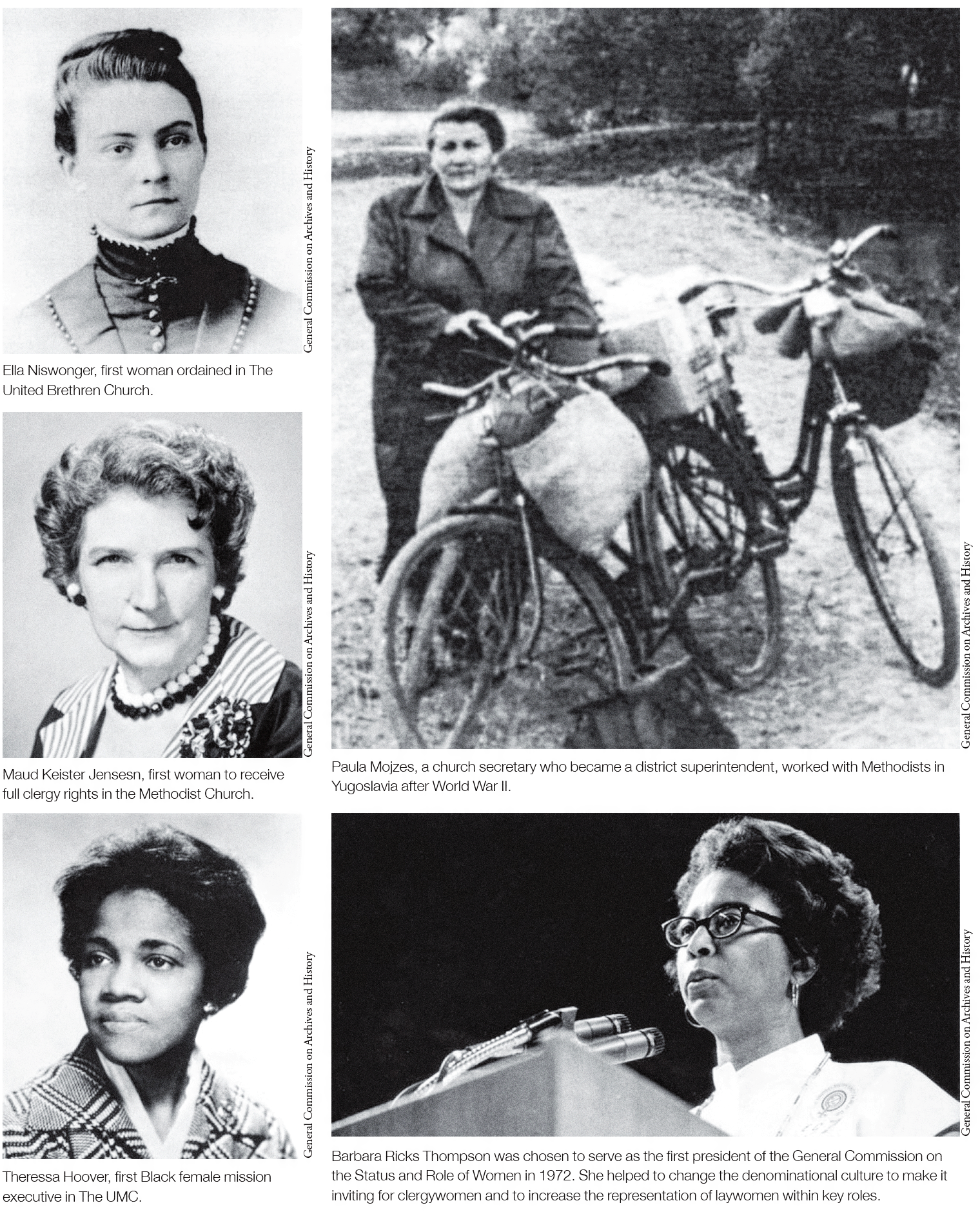
“Within The United Methodist tradition, ordination rights were granted at different times. The earliest rights were given by the General Conferences of the Methodist Protestant [Church], who ordained Helenor Davisson in 1866 and the United Brethren [Church] who ordained Ella Niswonger in 1889. However, rights, once granted, can be taken away,” she writes.
“When the Methodist Protestant merged with the Methodist Episcopal Church and the Methodist Episcopal Church, South in 1939 to form The Methodist Church, their historic ordination of women was removed,” Boggan continues. “The same happened when the United Brethren merged with the Evangelical Association in 1946 to create the Evangelical United Brethren. This reversal stands as a warning to us all to continue to support women in the pulpit, the pew, and the world.”
When the General Conference of The Methodist Church granted women full clergy rights in 1956, a decision that opened the doors to full ordination in ways that had been denied for generations, Maud Keister Jensen became the first woman to receive these rights.
“In the decades that followed, women have continued to expand their leadership in every sphere of the Church’s life,” Boggan writes. “Since then, United Methodists across the globe have witnessed women breaking new ground—serving as pastors, superintendents, bishops, and leaders in every council and agency of the Church. Their ministries testify to the truth that God calls without regard to gender and equips all who respond with gifts for the work of Christ’s service.
“As we celebrate 70 years of women’s ordination, we give thanks for the faithful witness of those who have gone before and for the many women whose ministries continue to enrich and transform The United Methodist Church today,” writes Boggan. “With gratitude for the past and hope for the future, may we continue to affirm the full participation of all God’s children in the life and mission of the Church, trusting that the Holy Spirit will lead us into ever greater faithfulness and inclusivity in the years ahead.”